Sunday, April 22, 2018

Exploring Ecotourism in Palau


While exploring different locations that represent ideal places for ecotourism, Palau proves to be just that, but in a tropical atmosphere. Ecotourism is defined as responsible travel to natural areas which conserves the environment and improves the well-being of local people. It creates knowledge and understanding through interpretation and education of all involved and is sustainable travel through educational locations. Although there are countless places to explore around Palau, it is of utmost importance to preserve the island. To do so, Blue Planet United has begun “The Palau Project”. This project encourages ecotourists to explore the land while also supporting the organisms and ecosystem they are immersing themselves within. The Palau Project, among other initiatives, will help the tropical island paradise sustain its natural beauty while also ecotourists of its natural beauty and social systems.  

Birds Eye View of Palau
While Palau isn’t the first location ecotourists may think of when it comes to ecotourism, Palau is “located in the continent of Oceania” and “covered 459 square kilometers of land, making it 202nd largest nation in terms of land area”(WorldAtlas). The island “became an independent state in 1994, after gaining its sovereignty from The United States of America”(WorldAtlas). On the island, “they use the U.S. dollar [and]  everyone speaks English and Palauan...there are about 25,000 Palauns and almost all like in Koror” (BeginnersGuide). Because of the vibrant ecosystem tham Palau offers, it creates the perfect environment for ecotourists looking for their next adventure.

While visiting Palau can bring new opportunities, “Palau is the first nation on earth to change its immigration laws for the cause of environmental protection. Upon entry, visitors need to sign a passport pledge to act in an ecologically responsible way on the island, for the sake of Palau’s children and future generations of Palauans” (PalauPledge). When traveling on the island, “every tourist who takes the pledge needs to follow this sustainable tourism checklist or risk a fine” (PalauPledge). Not only do tourists of Palau have to take the pledge, but “Palauans have also taken the pledge, from the preseident, the first pledgee, to traditional chiefs and residents. Education will place an important part in supporting the pledge as locals commit to protecting and celebrating the uniqueness of their sacred home. A new curriculum for primary and secondary school students and other programs will help build eco-awareness in tomorrow’s leaders and conscious business principles within the tourist sector” (PalauPledge). Knowing that not only are tourists are to sign the Palau Pledge as well as people of the island signing it makes it that much more effective.
What The Palau Pledge States

The Palau Pledge tells visitors; “don’t collect marine life souvenirs, do support local businesses and communities, don’t feed the fish and sharks, don’t drag fins over coral when swimming, do get others to respect the customs, don’t touch or step on coral, don’t take fruit or flowers from gardens, do learn about the culture and people, don’t touch or chase wildlife, don’t litter, don’t smoke in restricted areas” (PalauPledge). The people of Palau have put forth a system that works to preserve the island that they have grown and built lives on. The Palau Pledge ensures that the island will continue to host ecotourists while also sustaining its beauty.
A Natural Arch in Palau

Blue Planet United is an organization that “promotes integrative thinking and action on local, regionals, national, and global challenges of sustainability, as they relate to human population growth, per capita consumption patterns, and the enjoyment and protection of wild places. We divide our programs and projects into five focus areas: Sustainable Futures, Population & Consumption, Preserving Wild Places, Ocean Literacy, and Educating Future Leaders. These focus areas are addressed through three educational outreach units: The Population Press, Blue Planet Films, and a web-based Resource Center” (AboutBluePlanet). This organization has put in place a plan to help the island of Palau to improve is sustainability while also allowing ecotourists to become educated on the tropical paradise. Blue Planet United has started the Palau Project which is dedicated to sustaining cultural and biological diversity on the island.

Palau Underwater
The Palau Project holds three different parts, the Palau expedition, Blue Planet Films, and Eco-economy. The Palau Expedition is adventuring with an educational purpose. Every “year, ten students form the University of Redlands trade their classrooms for kayaks and set off to explore one of the world’s most enchanting Edens - the 340 islands of Palau”(PalauProject). The tours are “led by Monty and Marilyn Hempel, they learn about coral reefs, rainforests, traditional culture, and the future sustainability of this island republic”(PalauProject). During their traveled they visit “more than a dozen islands during a three-week expedition, they experience a wide range of environments — both underwater and on spectacular islands, many of which are uninhabited. In the process, they develop important insights about their own country and about themselves” (PalauProject). Being able to bring ecotourist students to explore these islands allow outsiders to learn about them and spread their knowledge while doing it in a sustainable way.


The second thing that the Palau Project does focuses on Blue Planet Films with a documentary called The Coral Corollary which tells a complex tale about how humans transform nature just as much as nature transforms us. It provides a story about how “the southern Palauan island of Peleliu was a paradise that was nearly destroyed in 1944, during one of the bloodiest battles of World War II” (PalauProject). After 60 years, “the restored island faces a new enemy, this time threatening its spectacular underwater coral ecosystem. Using Peleliu and other islands of Palau as a microcosm, this film examines the influence of innocence, war, eauty, death and hope in a changing world, wavering between economic prosperity and environmental ruin” (PalauProject). Being able to explore the different aspects of life that have an affect on the island of Palau allows the viewer as well as the tourist to see how they can make changes to sustain such a fragile ecosystem.

Scuba Diving in Palau
In addition to The Coral Corollary, The Palau Expedition film takes a look at “the role of experiential learning in higher education, using the University of Redlands annual Palau travel course as a case study” (PalauProject). The main “purpose of the film is to promote discovery-based experiential learning, organized around an interdisciplinary set of environmental, social, and economic field studies” (PalauProject). The video “combines brief interviews, stunning scenery, and dramatic clips of Redlands students exploring uninhabited islands and caves, scuba diving on spectacular coral reefs, kayaking up jungle rivers and across marine lakes, encountering amazing animals (including crocodiles, sharks, and manta rays), and meeting Palau’s high chiefs and top political leaders” (PalauProject). Through this film, it “celebrates the power of learning through adventure travel.  It chronicles the process of discovery that takes place in a series of unique ecological and cultural settings, each one inviting both intense observation and quiet reflection” (PalauProject). Showing a wide range of viewers what the island of Palau has to offer while celebrating the different aspects of the environment allows people to see what the republic really has to offer if it remains safe. 

Rock Islands Southern Lagoon
To stimulate with eco-economy Blue Planet United works with Dolphin Bay Resort. The organization, “is assisting this family-run resort on the island of Peleliu in its quest to provide eco-friendly experiences for its guests while improving the local economy” (PalauProject).  Dolphin Bay Resort “uses traditional island architecture and materials, cooks tasty meals using local foods, and provides a crafts shop for island artists” (PalauProject). Over the course of the years, Blue Planet United brings “ American university students to Dolphin Bay to experience high quality sustainable development, first hand” (PalauProject). They “also provide assistance with promoting the resort to other visitors who value environmental sensetivity in the design and operation of tourist facilities” (PalauProject). By doing so, no only is Blue Planet United educating students on the environment and the animals within it but also teaching them how to support local businesses.

Aerial View of the Milky Way Lagoon
Although there are many exciting locations to explore on the island of Palau, Rock Islands Southern Lagoon, Milky Way, and Jellyfish Lake are large tourist destinations. Rock islands southern lagoon features” over 385 coral species and different types of habitat” and sustains “a large diversity of plants, birds, and marine life including dugong and at least thirteen shark species” (RockIslands). The features that this location has to offer makes it a popular ecotourism destination due to the amount that they are able to learn in the area.

Swimming in Jellyfish Lake

As well as there being beautiful places to explore, “The Milky Way is famous for its being a natural spa treatment. Locals and tourists alike look forward to apply the white mud from the lagoon all over their body” (MilkyWay). Because of the natural beauty and and resources The Milky Way has to offer, the only “amount you will have to pay to have an adventure at The Milky Way Lagoon is basically for your boat ride and your tour guide” (MilkyWay). Having such a natural and giving location that is basically free makes the Milky Way that much more appealing to tourists.

Coral Bleaching
Swimming in Jellyfish Lake has been added to the list of many tourists in Palau, however, this “experience may be in jeopardy, scientists warn, as these famous jellyfish have all but disappeared” (JellyfishLake). Although “the area is home to several marine lakes, each holding what may be its own species of golden jellyfish. Jellyfish lake is the most famous of the bunch” (JellyfishLake). Unfortunately, this precious saltwater lake is at risk for its long term survival. Because of the amount of tourists going into the lake, “jellyfish numbers have plummeted from 8 million to less than 600,000, forcing tourism operators to cancel trips to the lake” (Jellyfish Statistic). After the number of jellyfish has decreased, the number of tourists have as well.  

Fish of Palau
Jellyfish Lake isn’t the only location at risk, “in the last decade, major environmental problems and threats related to climate change have dramatically increased in Palau” (PacificRISA). Because “of warming sea and surface temperature in 1997 and 1998, a mass coral bleaching event occurred” (PacificRISA). This had such an impact that “approximately one-third of Palau’s corals died” (PacificRISA). Due to the warming of sea and surface temperatures, “this had severe, adverse impacts on the nation’s important marine tourism industry. Sea level rise in low-lying areas is a threat to coastal vegetation, agriculture, and the purity of the nation’s water supply” (PacificRISA).


Because of these environmental issues having a major impact on tourism “Palau has taken proactive conservation measures to protect coastal and marine resources, including implementing permit fees and visitor limits for frequented areas, placing a moratorium on mangrove clearing to protect coastal habitat, and developing marine protected areas to preserve fisheries habitat and resources” (PacificRISA). Since these measures have been taken, there is hope that the land can continue to be preserved as much as possible.

Ecotourism as a whole makes it possible for people to explore and take in some of the most amazing places that this world has to offer. To continue travel to locations like Palau, it is crucial that as a society, everyone makes an effort to preserve these locations to the best of their ability. Without efforts put in place such as The Palau Pledge, it makes it difficult to conserve the lands that mother earth has worked so hard to create. Ecotourism involves responsibility as well as education and giving back and without those key items, it's not the same. When traveling to locations that allow total immersion, it's vital to create knowledge and understanding through interpretations and education of everyone involved.

Citations:
“ABOUT.” Blue Planet United, 13 Sept. 2017, blueplanetunited.org/about/.
Admin. “The Milky Way Lagoon – Palau.” Tourist Spots Around the World, Tourist Spots Around the World, 19 Apr. 2012, www.touristspots.org/the-milky-way-lagoon-palau/.
Centre, UNESCO World Heritage. “Rock Islands Southern Lagoon.” UNESCO World Heritage Centre, whc.unesco.org/en/list/1386.
“El Nino Decimates Inhabitants of Palau's Treasured Jellyfish Lake.” Nuku'alofa Times, 6 May 2016, nukualofatimes.tbu.to/?p=3301.
“Palau.” Pacific RISA - Managing Climate Risk in the Pacific, 13 Nov. 2015, www.pacificrisa.org/places/republic-of-palau/.
“Palau Pledge.” PALAUPLEDGE.COM, palaupledge.com/.
“The Famous Jellyfish Lake Is Running Out of Jellyfish.” National Geographic, National Geographic Society, 4 May 2016, news.nationalgeographic.com/2016/05/160504-golden-jellyfish-disappear-from-palau-lake/.
“Where Is Palau?” WorldAtlas, 2 Oct. 2015, www.worldatlas.com/oc/pw/where-is-palau.html.
“Where Is Palau?” Alex Sheshunoff, www.abeginnersguidetoparadise.com/blog/2015/5/27/where-is-palau.


Friday, April 20, 2018

Leopards, Elephants, Sloth bears, Oh My: Ecotourism with India’s Wildlife SOS

Logo Source
Leopards, elephants, sloth bears, oh my. An organization called Wildlife SOS in India is rescuing these animals and providing the world with a new sense of tourism. Quite recently, the conventional tourism industry has been scrutinized by environmentalists. From this, the ecotourism industry blossomed in many countries like India in hopes of creating a responsible means of traveling that is less environmentally degrading. Combining ideas from Megan Epler Wood and Martha Honey, ecotourism is tourism in places of ecological interest; involving responsible travel to “natural areas” that conserves the environment, improves the well-being of local people, and creates shared knowledge and understanding through education of all involved. This definition can then be used to evaluate different travel opportunities, such as the one in India, to see if they can be considered ecotourism. Since 1995, Wildlife SOS, located in various areas of India, has provided travelers with ecotourism because of its conservation efforts, improvement of locals' well-beings, and spread of knowledge.

Wildlife SOS was founded in 1995 by a small group of people who wanted to make a difference and protect India’s wildlife. Kartick Satyanarayan and Geeta Seshamani, specifically, saw the severe exploitation of animals in their community and came together to find means of mitigating this problem. Today, according to Wildlife SOS’s website, “The organisation has evolved to actively work towards protecting Indian wildlife, conserving habitat, studying biodiversity, conducting research and creating alternative and sustainable livelihoods” (“History”). While this organization is primarily known for their work with sloth bears, they also rescue animals such as elephants, leopards, reptiles, and many others. Furthermore, Wildlife SOS actively works with the locals, the government, and volunteers from all around the world. This is what enabled me to volunteer with this group in the summer of 2016.

During the period of volunteering, the travelers, like myself, stay in housing provided by Wildlife SOS. The location often varies with the animals the group is working with and the size of the volunteer group, but my group stayed in a housing unit across the way from some of the regular Wildlife SOS staff. It was set up much like a dorm. There was a common area, one shared kitchen and eating area, separate rooms with different keys for each, and a bathroom for each room. We were given fans and cooling units in our rooms rather than air conditioning which was often unfortunate because the power would often go out at night, subjecting us to the heat when the cooling units would subsequently shut off. The facility had the general amenities needed and nothing luxurious, minimizing the impact the housing would have on the environment. 

Since we were right across from some of the organization’s staff, we would walk across for their home-cooked dinners each night. Our daily diets consisted of quite the same combination for every meal: naan, rice, and dal. The provided meals were almost exclusively vegetarian. Lunches and dinners were supplied by the staff, but we were on our own for breakfasts; however, we were encouraged to go to the multitudes of local vendors and purchase from them. We were given tips, of course, on how to do this safely and efficiently, but this allowed our money to be fed into the local economy. My group was also fortunate to be able to go to one local sit-down Indian restaurant during our volunteering period and got to dance with a Bollywood dancer. This is likely not a common occurrence with every volunteer group, but the Wildlife SOS staff does do their best to also bring in parts of the local community.

Additionally, the staff also has initiatives to bring the volunteers around the local wildlife. Since those who have lived in an area for nearly their whole lives know it well, their nature tours are incredibly in-depth and educated. The staff that my group worked with brought us on a guided boat tour, and by boat, I mean the most basic wooden boat and paddle system possible. We moved along the river and our staff member, Shiva, told us all about the birds that we saw and the history of the river. We then ventured onto the opposite side’s river bank and saw a camel and an emu that they rescued in the past. Rather than getting a mass tour guide, a native staff member was able to show us their passion for where they live through leading us around.

WSOS also has direct efforts in conserving natural areas. “With the aim of protecting and restoring habitats, Wildlife SOS in 2006 purchased nearly 40 acres of land near Ram Durga Village, to create a wildlife corridor and allow the vulnerable habitats that were at risk to link up with a Reserve Forest patch” (“Habitat Protection”). This land was then kept from the commonplace exploitations such as illegal mining, encroachment, and rapid deforestation. The organization recognized the need for true biodiversity conservation and restoration so they took the step of setting aside land for this purpose. Furthermore, “In April 2012, the habitat restoration project was expanded to an additional 10 acres with the generous support from BHEL, PSSR, Chennai. In consultation with horticulture experts, saplings of tree and shrub species most appropriate for the area were selected and nearly 10,000 saplings planted” (“Habitat Protection”). This restoration process has resulted in higher levels of biodiversity and plant survival rates as well as an increase in wildlife.

A Rescued Fawn Named Sonya
As for the animals this organization works with, WSOS has facilities that house elephants, sloth bears, moon bears, leopards, reptiles, and a number of other organisms. While in India, a few snakes were brought in by the 24/7 rescue team. “Wildlife SOS rescues close to a 1000 reptiles every year which includes monitor lizards, turtles, crocodiles as well as various species of snakes. When a rescued reptile is brought to our Rescue Centre, a physical examination is carried out. If the reptile’s health is compromised, necessary veterinary care and treatment is provided. Thereafter arrangements are made and proper permissions are acquired from the concerned authorities to release the reptile into a suitable habitat. The release is done in the presence of representatives of the Forest/Wildlife department” (“Reptiles”). This process is similar for the other rescued animals as well. WSOS’s goal is to treat the animals and then properly release them back into the wild, but there are many cases in which the creatures are unable to live independently. In this case, the organization does all they can to give the animals a great home with the care they need.

Hundreds of sloth bears—who are, ironically, not related to sloths—have been rescued by WSOS.
Most of these bears were tortured by a group called the Kalandars who used them for a 400-year-old act referred to as the “dancing bears” to make money (“Indian Sloth Bears”). They would take the young cubs from their mothers in the wild and, using a needle and rope, create a type of leash through the roof of the young cub’s mouth. This cruel process is done without anesthesia or accuracy, causing a great number of the bears to suffer from nerve damage, teeth deficiency and loss, blindness, and infection. This was the Kalandars’ way of subduing the bears and making them “dance” for an audience. Wildlife SOS took this problem into their own hands and have now successfully rescued all of the sloth bears used for this practice in India.

The Magestic Laxmi
Similarly, the elephants were neglected and abused to get money. These gigantic animals are some of the wisest and most spirited creatures, but people in India used them for circuses, begging on the streets, and other means of revenue. To get the elephant to comply, spiked rings and chains were put on their legs, and they were often starved and neglected. An elephant named Laxmi was in the enclosure closest to the fruit chopping area and is known for trying to steal fruit as the workers cut it. Unlike most of the rescued that were found underweight, Laxmi was fed unhealthy sweets during her begging days and became extremely obese. After being saved, she has lost over 800 pounds and is still overweight. Furthermore, whenever the elephant was injured or sick, the original owner would continue working it, no matter the severity. Moreover, since the elephants’ nails were not naturally trimmed by elements found in nature, their nails grew too long, touching the ground. Elephants’ toenails face downward, and, when they get this long, bear the pressure of the elephants’ weight. Consequently, nearly every elephant was rescued with cracked toenails, painful foot growths, foot sores, and improper standing posture.
The Climbing Platform My Group Built

WSOS’s efforts enable volunteers from all over the world to help out at the facilities. Groups serve the bears their morning porridge, which is quite liquidy to enable the nearly toothless bears to slurp up, early each day. They also work on different projects to keep the bears active and engaged. When I volunteered, my group built a climbing platform for them to play on using long logs. We also cleaned out their cages (which were air conditioned to give the bears reprieve from the heat), made fruit bear-popsicles, and threw in watermelon for them to snack on. Since these animals have been hurt beyond repair, they cannot be returned to the wild, so the facility wants to keep them happy and mobile. We even got to witness a sick bear being brought to the clinic via camel. Even though volunteers cannot physically touch the unpredictable bears, some special connections are still made. 

Volunteering is not limited to the sloth bear facility; WSOS’s elephant sanctuary is a great place to do service as well. According to WSOS, “you will also enjoy the opportunity to visit our elephants and help with their feeding or with giving them a bath” (“Volunteer With Us”). A couple days of my trip, we got the opportunity to take these charismatic animals on their morning walks—taken to stimulate all of their muscles—and cut and distribute fruit. An elephant’s snack of fruit was around fourteen pounds each, which we got to hand feed to some of them. We also got the opportunity to bathe them. Because elephants do not sweat, they throw dirt on themselves to cool down. To keep them from being too covered in dirt, they get washed every day. Since there are so many elephants in the facility, and due to their massive size, having volunteers help with the bathing process speeds it up tremendously and enables the workers to accomplish other tasks.

Even though the Kalandars were exploiting and harming the animals, WSOS did not just take away the animals and leave the people to fight for themselves. The organization recognizes that the animals were the main form of revenue for many of the Kalandars, so, along with rehabilitating the animals, the group rehabilitated the Kalandars. WSOS works both in increasing the education of children and women with a focus in conservation. As their site says, “Impoverished human communities do not often have the luxury of informed choice in how they earn the living that feeds their family. With this in mind, Wildlife SOS also funds the education of children from Kalandar communities. This enables the people to break cyclical poverty and ignorance” (“Education”). The organization wants the Kalandars to be able to successfully get on their feet again without the harmful exploit of their surrounding environment. 

Throughout the process of volunteering, there are connections made between many different groups. The volunteers learn about the facility, the happenings in some Indian culture, as well as the group of the Kalandars. At one point on my trip, my group had the opportunity to go to a Kalandar community to listen to snake charming music. Of course, they did not wield any snakes because WSOS rescued them from the exploitative art, but the music and dancing were authentic. We were encouraged to stand up and join in the dancing, and the mass of children around us was so excited and energetic in their dancing. We were able to socialize with the Kalandars that spoke English, and we were given a little tour around a couple homes to see what their conditions were to see how they were improving. While it felt a bit disconnected because it was a bunch of Americans inserting themselves into the nightlife of their community, the connections made were priceless and not ones that could have been made sans volunteering at WSOS.

Voluntourism, volunteering while traveling as a tourist, turned out to be a great case of ecotourism, and one that makes me want to look into more ecotourism-resulting voluntourism in the future. According to The International Ecotourism Society’s (TIES) page on voluntourism, “You don't need to be affluent, or be able to afford months of free time, to be part of something meaningful and rewarding that helps empower local people, support communities, and enhance skills, capacity and knowledge through travel” (“Voluntourism”). Even apart from Wildlife SOS, India’s voluntourism opportunities are increasing. As Integrated Social Programs in Indian Child Education (iSpiice) says, “Voluntourism in India is a concept, exclusively designed for the volunteers, who want to spend time with the Indians, who need assistance for development. Incredible programs are offered for people, who want to travel to India as a traveller or to spend time during the gap year or to take up internship programs in India” (“Voluntourism in India”). 

While my group had a unique experience volunteering with WSOS because it was through a separate program called Rustic Pathways, the volunteering experience is definitely ranging on true ecotourism. We ate local cuisine, got driven through the crazy traffic, slept in the volunteer house that only wielded cooling units and fans, danced to authentic snake charming music in a rehabilitated village, visited a marble shop, went on a bird-watching boat ride, and toured the Taj Mahal. We were brought to natural areas by WSOS who focused on conserving the environment and educating and aiding the locals, and volunteers have the opportunity to help with the organization’s efforts and learn along the way. 


Sources: 
“Conservation Awareness.” Wildlife SOS, http://wildlifesos.org/conservation-awarness/.
“Education.” Wildlife SOS,http://wildlifesos.org/education/.
“Habitat Protection.” Wildlife SOS, http://wildlifesos.org/habitat-protection/.
“History.” Wildlife SOS, wildlifesos.org/history/. 
“Indian Sloth Bears.” Wildlife SOS,http://wildlifesos.org/indian-sloth-bears/.
“Reptiles.” Wildlife SOS, http://wildlifesos.org/reptiles/.
“Volunteer With Us.” Wildlife SOS, http://wildlifesos.org/volunteer-with-us/.
“Voluntourism in India | ISpiice - Volunteer in India.” Volunteer India Ispiice, 31 Jan. 2017, www.volunteerindiaispiice.com/news/voluntourism-in-india/. 
“Voluntourism.” The International Ecotourism Society, www.ecotourism.org/voluntourism.

Monday, April 16, 2018

Game of Thrones, Cute Horses, and Fishermen's Sweaters: A Case Study of Ecotourism In Iceland


Game of Thrones, Cute Horses, and Fishermen's Sweaters: A Case Study of Ecotourism In Iceland

By Elijah Santos
(Photos and film by Chris Burkard, )


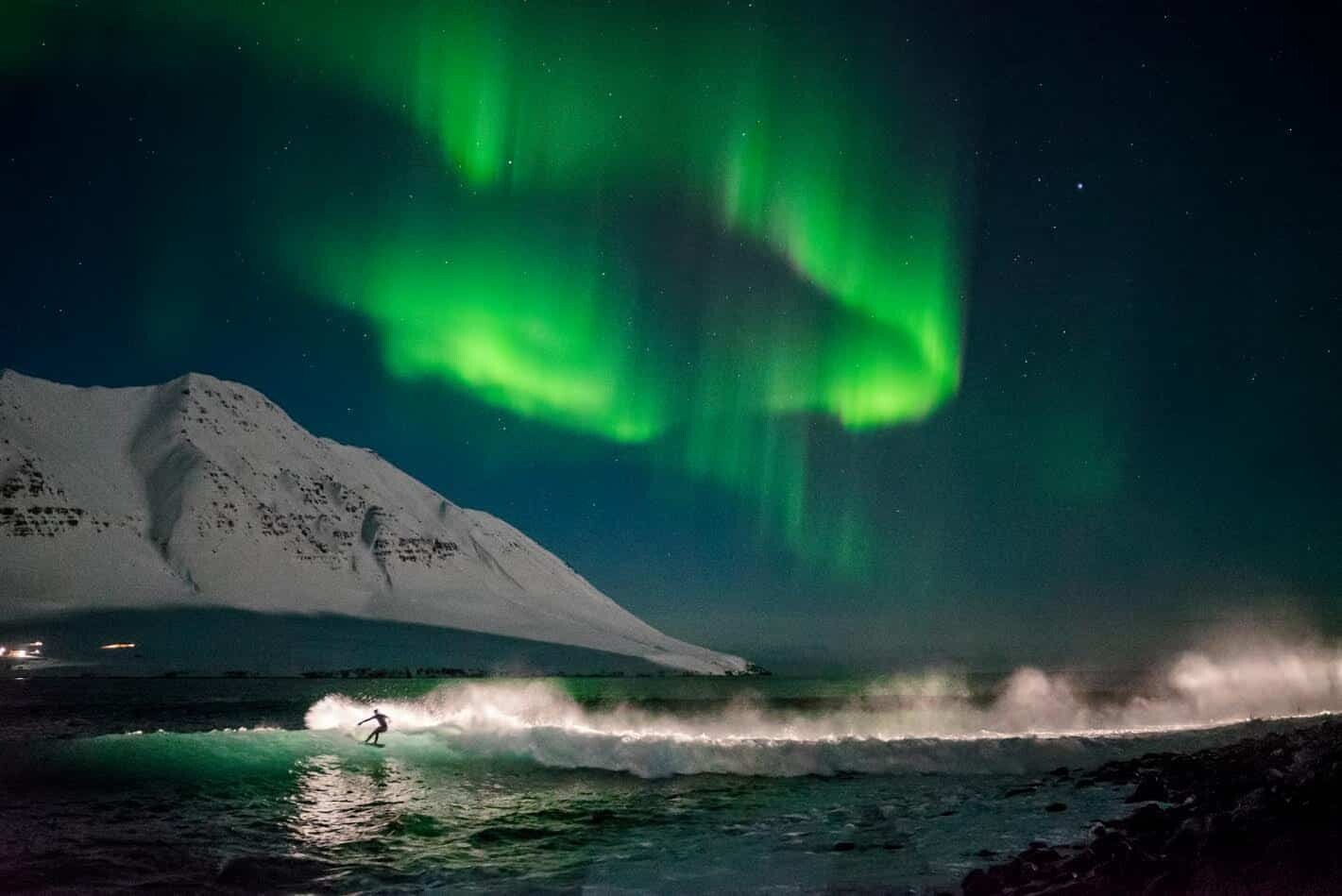
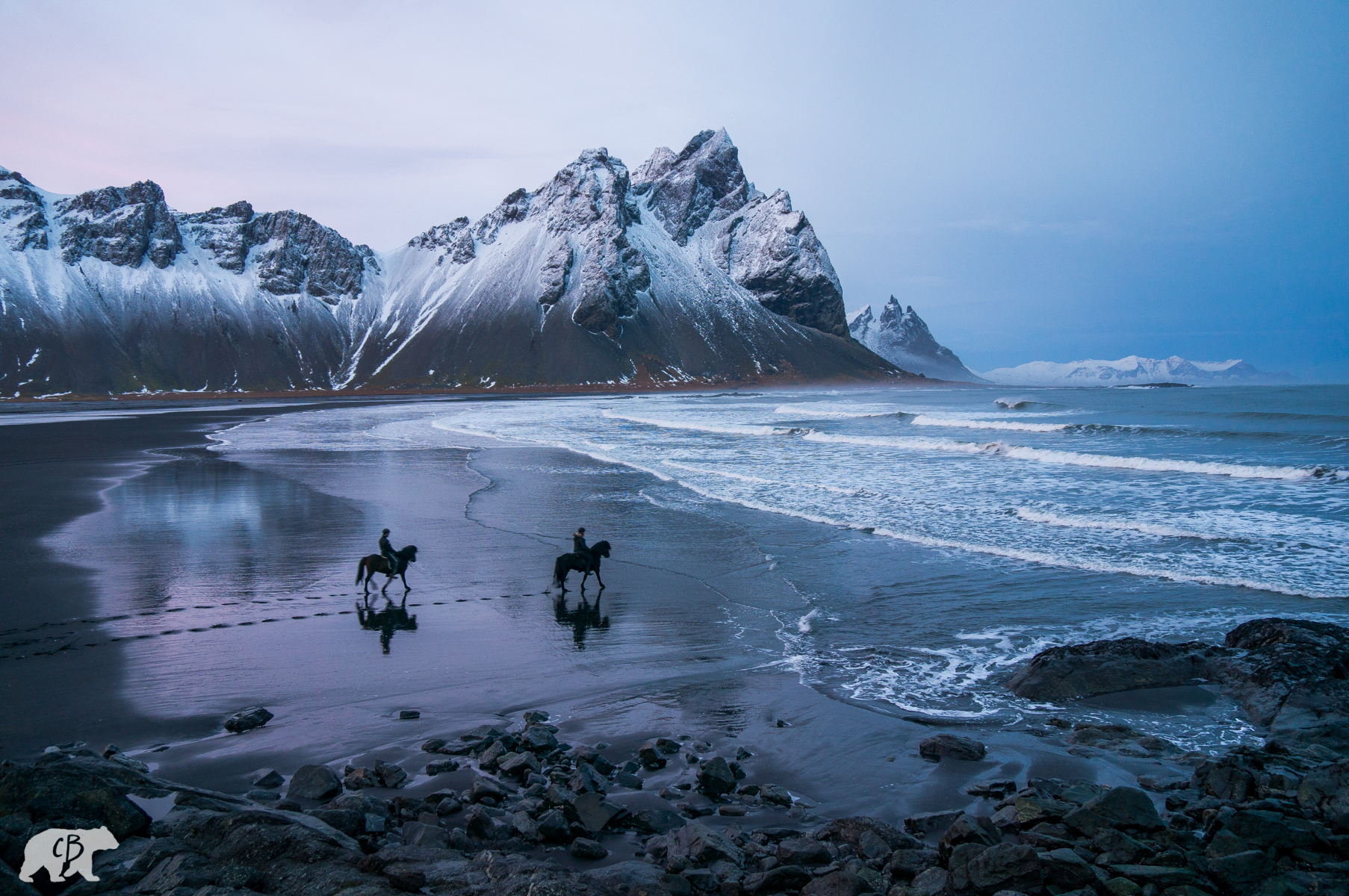
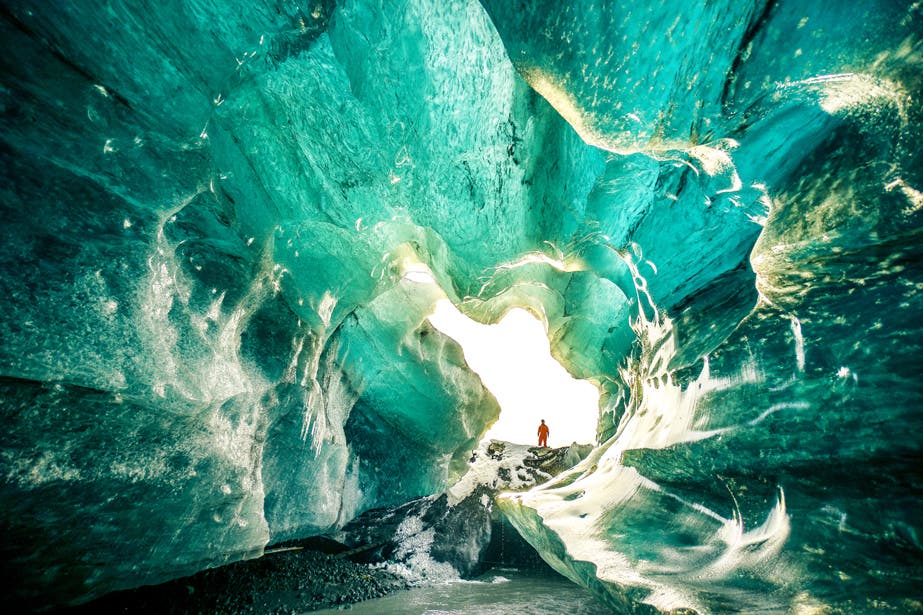
Iceland is a rare phenomenon. It’s a country who’s beauty is unrivaled, and because of this people are drawn to it in droves. However, Iceland is also unapologetic about what it is. It’s a rugged, harsh, and unforgiving landscape, with a culture that is welcoming, but also refuses to change. It’s because of this combination of factors that Iceland become one of the best examples of ecotourism in the world. Whether spurred by Game of Thrones or catastrophic volcanic eruptions, ecotourism has brought a decade of economic prosperity to Iceland. At the same time, however this has come at a cost to the natural environment.


Ecotourism is very different from the various other paradigms of tourism. It’s a multifaceted, complex, and interdisciplinary way of approaching the tourism industry. Despite its complexity, it offers one of the best methods for creating a more whole, equitable, and sustainable form of tourism. As a paradigm, it lies on a foundation built out of five main concepts. The criteria that ecotourism is comprised of are: travel to places of ecological interest involving responsible travel to natural areas that conserves the environment, improves the wellbeing of local people, and creates shared knowndge and understanding through interpretation and education of all involved. Obviously this is an extremely broad definition, that affects all tiers of the tourism industry. However, true ecotourism could potentially create a better experience for the travelers, industry workers, indigenous workers, etc. 


Iceland’s shift to ecotourism was both gradual, and then all at once. It was fueled by good timing, a dire need for economic growth, and the right paradigms being in place at the right time. In 2016 alone, Iceland saw 1.7 million tourists go through their country, and it’s for good reason too. The past decade of Iceland’s history has not been an easy one. As a recent Skift article put it, “When the global financial meltdown hit Iceland in 2008, it unleashed a series of devastating consequences: an unprecedented banking crisis, a housing market collapse, and increased unemployment. Iceland’s currency plummeted in value and thousands in export-heavy jobs were put out of work” (Sheivachman, 2016). Not long after this, whoever, a disaster turns into a blessing for the island. 


Iceland is well known for her world renowned lagoons, beautiful mountain ridgeline, and frozen coasts. However, people’s attraction to the idyllic country first began with the eruption of a volcano. “There were the eruptions of its Eyjafjallajökull volcano in 2010, which grounded flights across Europe” (Baraniuk, 2017). It was such a powerful eruption that flights had to be grounded for das afterwards. This catastrophe closely followed the financial collapse of the country, and was extremely detrimental in the short term. Surprisingly, people found the aftermath of this disaster to actually be an attractor. Iceland used this to their advantage, and offered low cost plane tickets from both the United States and Europe. They also offered a free stop-over in the country for anyone who flew across the Atlantic. These choices caused the number of passengers coming to Iceland to climb significantly over the past decade. In 2016 alone, passenger totals in the Keflavik Airport soared by 40%, from five to seven million passengers. 


Iceland’s intelligent tourism tactics took areas that were dead during the financial crisis, and breathed new life back into them. Iceland’s main resource its natural resource. This is precisely what increased the country’s foreign exchange earnings by 12.3 percent in a five year span. That’s a growth rate that most countries rarely if ever see. In this same half decade period, their was a complete restructuring of the economy. Tourism surpassed fishing (previously one of the country’s largest industries), and quickly became the predominant form of economic activity. A recent article stated, "over the last decade, tourism has surpassed both fishing and heavy industry to become Iceland's chief driver of economic growth" (Chapman). In this regard, tourism has saved Iceland from economic ruin. Additionally, they’ve managed to build their economy into a state of symbiosis with ecotourism. 


Akureyri, Iceland is the fourth largest town in Iceland at 18,000 residents, and it was rated as the number 1 destination in Europe by Lonely Planet (the company that makes all of the indistinguishable guide books). This town is quite possibly the most quintessential example of ecotourism in Iceland. As lonely planet said when they awarded the title to Akureyri, “Akureyri, in contrast, sits on the north coast under snowcapped peaks at the head of Iceland’s longest fjord. It’s Iceland’s second biggest urban area, and while you shouldn’t expect a big-city vibe (the population is only 18,000), this easy-going place has more buzz than anywhere outside of Reykjavík. It’s also a great base for exploring the north’s green pastures, fishing villages, mudpots, waterfalls, ski fields and whale-filled bays. Signs of the earth’s power - glaciers, volcanoes, lava fields and stacks of basalt - are everywhere, while strange underwater features lure divers and offshore islands are home to colonies of seabirds” (Randle, 2016). It’s descriptions like this that make people want to visit Iceland. However, this is also due in part to their sustainable infrastructure. 


Iceland is hands down one of the global leaders in sustainable infrastructure, renewable energy development, and reduction of greenhouse gas emissions. Even Reykjavik, which is home to 40% of Iceland’s residents and is a main tourist attraction, has set a goal of being 100% fossil free by the year 2050 (Randle, 2016). This is a meaningful example for the rest of the world, and a motion that few other countries have made. It’s even more impressive when you consider the fact that they are a tourism focussed economy, which is an industry turban tends to have a large amount of negative externalities pushed off onto the environment. This is one of the things that makes Iceland fit so well into the definition of ecotourism. They’ve made it clear that developed tourism countries can overcome the potential cost and barriers for renewable energy transition. 


Iceland is also very careful to preserve it’s delicate cultural heritage. Globalization ahas wreaked havoc on many small countries, but Iceland has somehow managed to walk the fine line of social development and preservation of heritage. The small town of Siglufjordur is home to only 1200 people, and relied entirely on the herring fishing market. After that industry declined, they took advantage of the newly blossoming ecotourism market in order to turn the town’s economy around, “The town has developed a tourism industry through development of a small conference center with a building for meetings, a restaurant, and coffee shop. Volunteers have built a fantastic fishing museum telling the story of the herring industry. Opportunities for tourism also now includes fishing and hiking, and the wonderful hospitality of the local people” (Randle, 2016). They not only preserved their important cultural heritage, but also brought the community together to educate outsiders. This is at the very core of what ecotourism is meant to be. 


As with any quick development, however, there are downsides. One of the current issues is that Iceland moved from overfishing, to heavy export of manufactured goods, and now they’ve moved the almost-literal export of nature itself. They’ve begun looking at the environment as a resource. Nature is connected to everything and as such their ecotourism based economy is threatened by their reliance on the “resource” of nature. As a recent article by Michael Chapman put it, “it is the ‘invisible’ threats of climate change and a warming atmosphere, and the very 'visible' threat of wildland violation, that put this organic interrelation into peril” (Chapman, 2017). Iceland faces the very real threat of another economic collapse if their environment starts to degrade. In part this is why they work so hard to preserve it, but they can’t change the actions of other carbon heavy countries. 


There is also the potential issue of “overtourism”. An article from Skift outlines this idea well, “Overtourism represents a potential hazard to popular destinations worldwide, as the dynamic forces that power tourism often inflict unavoidable negative consequences if not managed well. In some countries, this can lead to a decline in tourism as a sustainable framework is never put into place for coping with the economic, environmental, and sociocultural effects of tourism. The impact on local residents cannot be understated either” (Sheivachman, 2016). Iceland is currently riding the a fine line, where they could potentially enter this state of overtourism. Welcoming almost 2 million travelers into a tiny island country is bound to cause problems, but this could potentially be avoided if Iceland manages their tourism infrastructure closely. The main issue in regards to overtourism is that Iceland’s infrastructure is from a time when the country only had to serve their year round residents. In particular there needs to be a complete overhaul of the roads in Iceland. They weren’t designed for large amounts of tour busses to use them each day. 


This is not to say that Iceland is completely ignoring the issue. They’ve acknowledged that they still need to make infrastructural improvements. As a recent article stated, “As economy is stimulated by tourism, government has more fund to build convenient transportations, which benefits both tourists and locals” (https://11geokellyluo.weebly.com). There are more tourists than ever coming into Iceland, While the number of available hotel rooms in the country grew more than ever last year, with 290 new rooms created, it is still not enough to meet the estimated requirement of 1,400" (Kim, 2016). In order to curb the volume of tourists staying in Reykjavik at one time, “The government recently took steps to limit the availability of Airbnb rooms, for instance. The fear was that residents faced being pushed out of hotspots like downtown Reykjavik due to rising house prices” (Baraniuk, 2017). This is a brave move. Few countries have risked making a decision as bold as this. This move is recent, and as such the long term effects aren’t know. However, it has the potential to create a sustainable carrying capacity for Iceland’s ecotourism industry. 


 Many of Iceland’s negative externalities can be attributed to growing pains. Iceland’s ecotourism industry isn’t going anywhere any time soon, and hopefully the negative externalities associated with it won’t last forever. Their overall sustainable atmosphere stems from a culture that values protection of their homeland. Iceland is certainly on the forefront of renewable energy infrastructure, ecotourism, and conservationist ideals, but there needs to be more of an emphasis for visitors about the importance of preserving Iceland’s delicate ecosystems. Iceland has managed to capture almost every piece of the the ecotourism definition, but they need that final piece of education in order to prevent visitors from disrespecting ecotourist destinations around the world. Despite this, Iceland has created an admirable model that—while not perfect—has created a more sustainable paradigm and financial stability for many. 

Works Cited

Baraniuk, Chris. “Future - The Country That Tourism Has Taken by Surprise.” BBC, BBC, 22 Feb. 2017, www.bbc.com/future/story/20170222-the-country-that-tourism-has-taken-by-surprise. 

Chapman, Michael. “Iceland's Troubled Environment.” Guide to Iceland, 5 May 2017, guidetoiceland.is/nature-info/a-darker-shade-of-green-icelands-troubled-environment. 

Kim, Soo. “Iceland to Restrict Airbnb Rentals to Cope with Tourism Surge.” The Telegraph, Telegraph Media Group, 2 June 2016, www.telegraph.co.uk/travel/iceland-to-restrict-airbnb-rentals-to-cope-with-tourism-surge/. 

Randle, Dr. Dave. “Sustainable Tourism: Lessons from Iceland.” The Huffington Post, TheHuffingtonPost.com, 7 Dec. 2017, www.huffingtonpost.com/dr-dave-randle/sustainable-tourism-lesso_b_12564044.html. 

Scheivachman, Andrew. “Iceland and the Trials of 21st Century Tourism.” Travel News, Airline Industry News, & Hotel Industry News by Skift, skift.com/iceland-tourism/. 

“Tourism Impacts.” Home, 11geokellyluo.weebly.com/tourism-impacts.html.

Monday, March 19, 2018